Did you know that nearly 70 percent of online shoppers say delivery tracking directly affects whether they will buy again from the same store? Speed still matters, but visibility now plays an equally powerful role. Customers want to know where their order is, when it will arrive, and what happens if something changes along the way.
For e-commerce retailers in 2026, shipment tracking is no longer a backend logistics tool. It is part of the customer experience, part of brand trust, and part of long term retention. This guide walks through the best shipment tracking solutions for e-commerce retailers, focusing on what actually matters in day to day operations, not marketing fluff.
Why shipment tracking has become a core e-commerce system
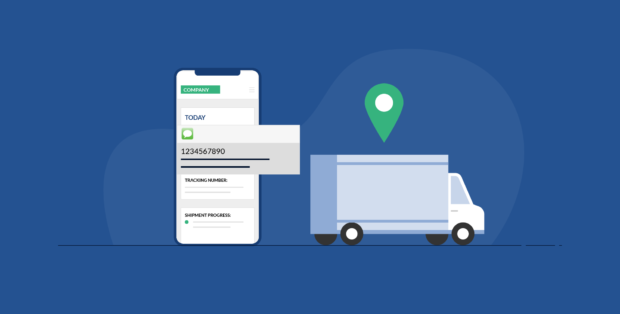
Shipment tracking used to be a simple add-on, a tracking number emailed after checkout and little else. Today, it sits at the center of post-purchase communication. Customers check tracking links more often than order confirmation emails, and support teams spend a large part of their time answering delivery questions.
Modern tracking systems now connect carriers, stores, warehouses, and customers in real time. The goal is not just visibility, but clarity.
Key shifts driving this change include:
- Higher customer expectations shaped by large marketplaces
- Cross-border shipping becoming standard, not niche
- Rising support costs tied to delivery uncertainty
- Increased competition where experience matters as much as price
When tracking is done well, it reduces tickets, builds trust, and keeps customers engaged between checkout and delivery.
What defines modern tracking solutions in 2026
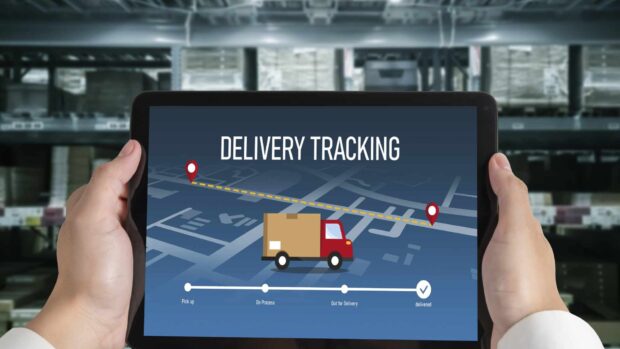
Before comparing individual platforms, it helps to look at how shipment tracking has evolved overall. Many of the 2026 shipment tracking solutions for ecommerce retailers now focus less on raw tracking data and more on how that data is interpreted and communicated across the entire delivery lifecycle.
Retailers increasingly rely on systems that connect carrier updates, customer notifications, and internal logistics signals into one coherent flow, rather than treating tracking as a standalone feature.
This shift reflects how shipping visibility has become a structural part of e-commerce operations, not just a post-purchase add-on.
Core capabilities most leading solutions share:
- Real-time carrier data across domestic and international shipments
- Automatic status updates triggered by delivery events
- Branded tracking pages that live on the retailer’s domain
- Exception alerts for delays, failed deliveries, or address issues
The difference between average and excellent tools is not the feature list, but how clearly and consistently those features work under pressure.
Comparing tracking platforms by retailer needs
Not every e-commerce business needs the same tracking setup. A fast-growing direct-to-consumer brand has different priorities than a multi-warehouse global retailer. The best shipment tracking solutions adapt to scale, complexity, and customer volume.
Below is a simplified comparison of common platform strengths by use case.
| Retailer type | Primary tracking need | Platform focus |
| Small stores | Simple setup and clarity | Ease of use, low maintenance |
| Growing brands | Customer communication | Branded pages, notifications |
| International sellers | Carrier coverage | Multi-carrier, customs events |
| Enterprise retailers | Operational control | Analytics, automation |
After reviewing options, many teams realize that choosing a solution is less about finding the most features, and more about matching the tool to their shipping reality.
Features that actually improve customer experience
Customer experience improves when tracking information answers questions before customers ask them. This is where many solutions fall short. Data may exist, but it is not presented in a helpful way.
The strongest tools focus on proactive communication rather than reactive support.
Most impactful features include:
- Estimated delivery windows that update automatically
- Delay explanations written in plain language
- Localized tracking pages by region or language
- Email or SMS updates triggered only by meaningful changes
Did you know: retailers that send proactive delay notifications see up to 40 percent fewer delivery-related support tickets, according to logistics industry benchmarks.
Tracking works best when it feels like guidance, not surveillance. Customers want reassurance, not raw data.
Operational benefits beyond customer visibility

While customers are the most visible beneficiaries, shipment tracking also improves internal operations. In 2026, many retailers use tracking data to optimize shipping decisions, not just report on them.
Modern platforms feed delivery performance back into logistics planning. Over time, this creates smarter shipping rules and fewer exceptions.
Operational advantages often include:
- Identifying underperforming carriers by region
- Reducing lost shipments through early exception detection
- Improving warehouse dispatch accuracy
- Supporting data-driven carrier negotiations
Shipment tracking data is increasingly treated as operational intelligence, not just customer-facing information. It helps retailers predict issues before they escalate.
For teams managing volume at scale, this feedback loop becomes a competitive advantage rather than a nice-to-have feature.
Choosing the right solution without overcomplicating it
With so many options available, it is easy to overthink the decision. The best shipment tracking solutions for e-commerce retailers are the ones that fit smoothly into existing workflows.
Before committing, retailers should clarify internal priorities:
- How many carriers are used regularly
- Whether branding or analytics matters more
- How much customization the team can realistically manage
- What level of support is required during peak seasons
A short pilot period often reveals more than feature lists or demos. Real shipments, real delays, and real customers provide the most honest test.
In the end, shipment tracking in 2026 is about confidence. Confidence for customers waiting on their orders, and confidence for retailers managing thousands of deliveries behind the scenes. The right solution makes both sides feel informed, supported, and in control.